Hello,
You.

👋Hi, welcome to my space! I am Qian, an interaction and UX/UI designer crafting intuitive digital and automotive experiences.
Visual feedback in multi-display to support a digital assistant in the vehicle

In this project, the main research topic is how visual feedback can assist voice assistant to interact with the driver in the car, so that the driver can obtain information more quickly and effectively and complete the assigned tasks. Combining with the situation in the Audi cars, I have analyzed and studied the display positions of visual feedback on the three display screens in the car. I combined theoretical research with questionnaires, user scenario analysis and usability tests in the driving simulator, etc., and have designed a concrete visual and interaction concept.

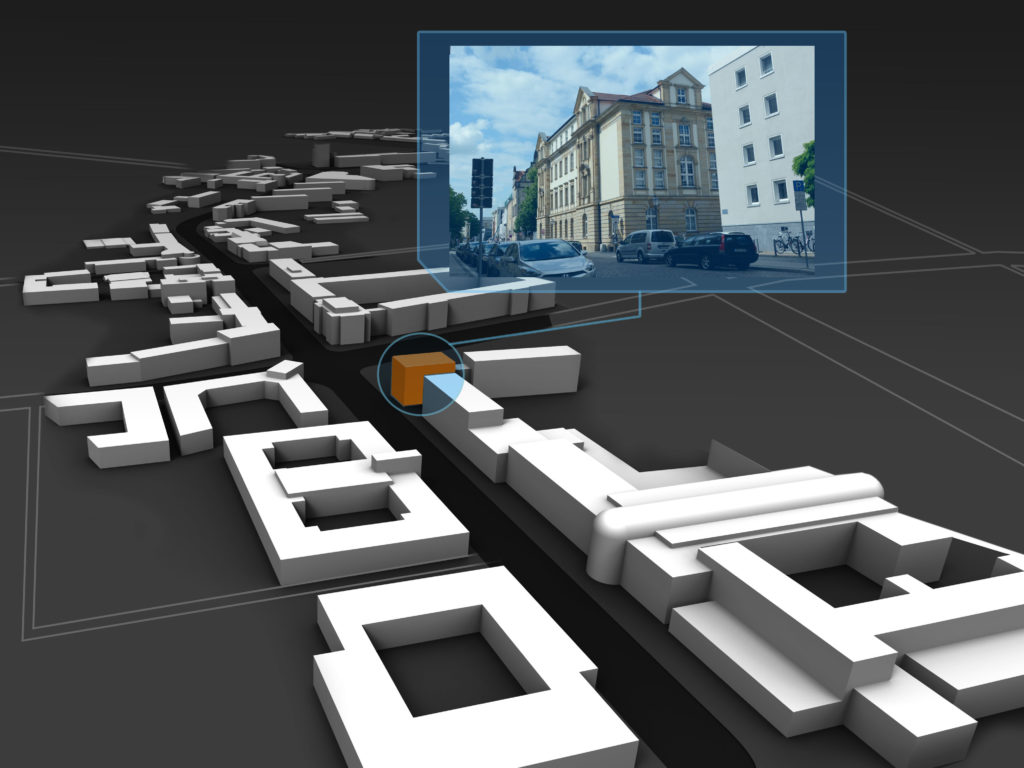
Navigation and Orientation – Interaction Design for Future Mobility

This project was carried out in collaboration with Carmeq / Volkswagen Group. The focus was on designing interactive services that simplify navigation and orientation—both for private drivingand multimodal urban mobility.
My role involved contributing to the conceptual design of future interaction and map visualization solutions, from early ideation and concept development to the creation of interactive click prototypes and video prototypes demonstrating key use cases.


Emotion Elevator is a project that explores how public spaces, such as elevators, can be used to foster minimal communication between passersby. Starting from the idea of simple but non-directed communication through graffiti, the project created a medium that—by balancing freedom and restriction—encourages elevator users to engage in communication.

Gesture Control for Video Conferencing Applications

In this project, a detailed analysis of Body Language for Video Conferencing Applications was carried out, focusing on its functions, interactions, and potential applications.

A user journey was designed around the video call process in Skype applications. With gesture control on the television, users can make video calls while cooking in the kitchen or relaxing in the living room.

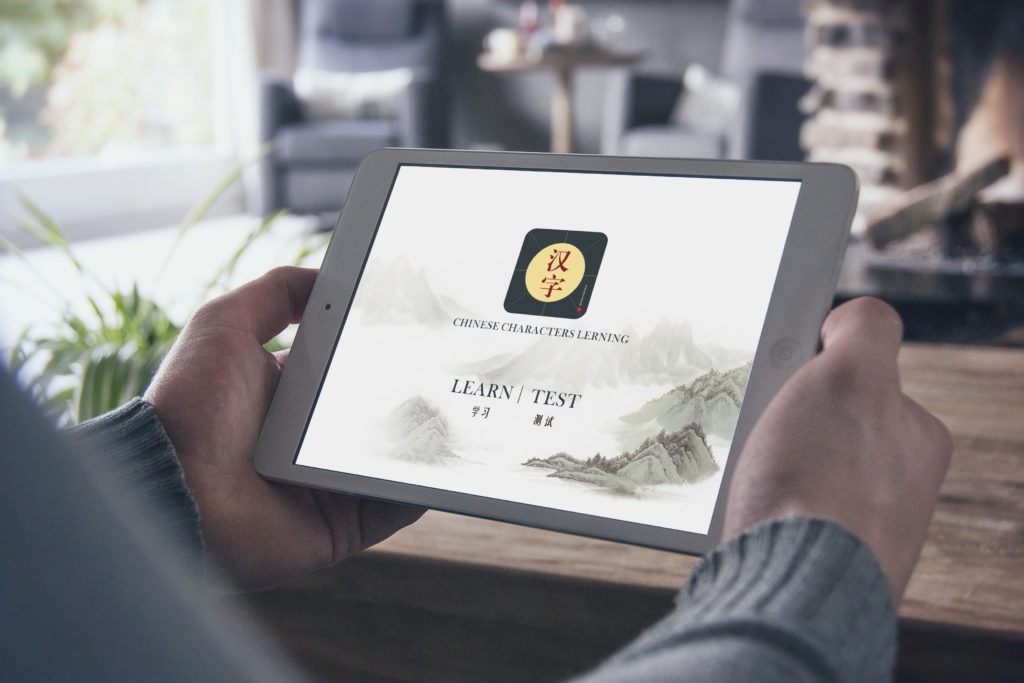
Chinese Characters Lerning Application

Hanzy is an application based on the principle of model learning (Albert Bandura) from cognitive learning theory, designed to support learning Chinese characters.

The app is structured around two main stages. The first stage is Observation: users carefully watch a video and consciously perceive the Chinese character. The second stage is Imitation: users reproduce the observed character by recalling and practicing the behavior they have just seen.

An RFID-based communication concept for neighbors

NeighborRing is an RFID-based design concept. Through our research and analysis, we find out the right scenario to which the invisible and indirect way of RFID can be properly applied. 

NeighborRing provides a platform to these people who live in the same building. Based on an RFID embedded ring, people can communicate information with others, and at the same time protect their own privacy space. This corresponds to the most psychological phenomenon that people do not want to get too close to strangers, but keep in an indirect touch.

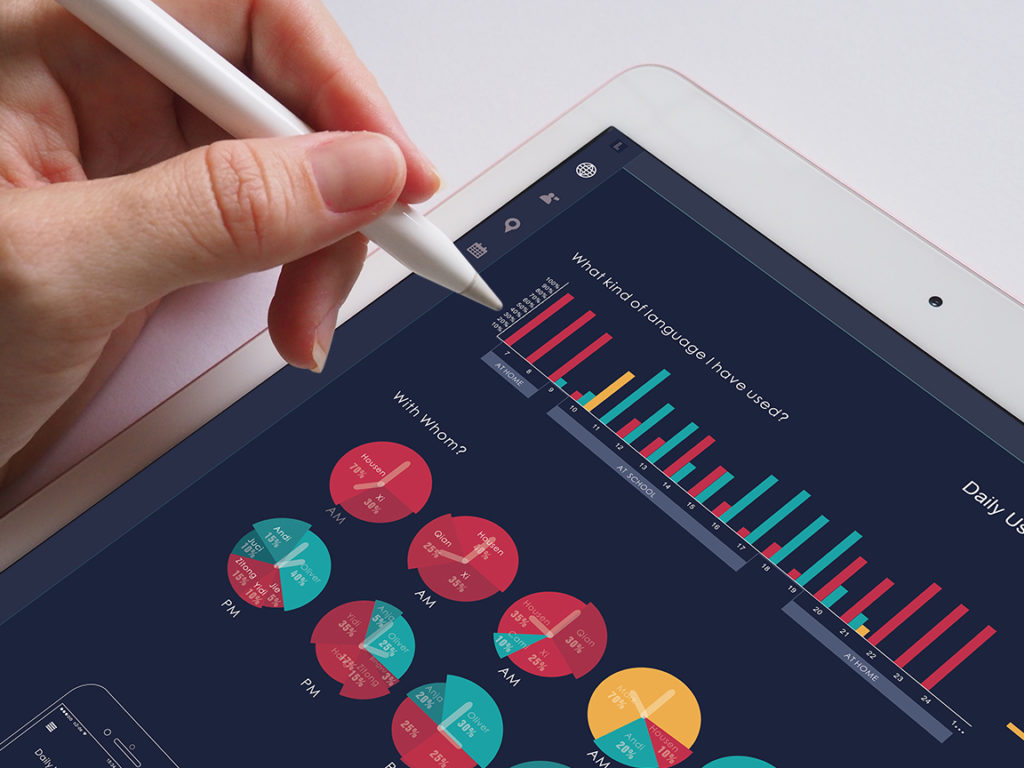
Daily Usage of Language

A project for Information architecture

“To be a Designer, as a Researcher.”